The Firepunk Dyno Room had a busy day ahead of UCC 2026 with four trucks hitting the rollers to dial in their Seventy 2 Fast builds. Getting these trucks prepped, tuned, and ready to rip meant tackling some tricky fuel quantity diagnosis issues, real-world troubleshooting, and data logging to get everything running right. From big power pulls to problem-solving sessions, this is what a typical high-performance diesel dyno day looks like at Firepunk.
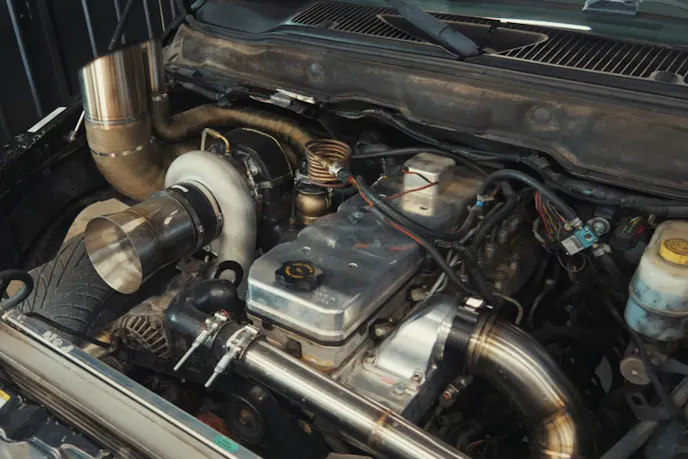
Overcoming High Pressure Fuel Failures
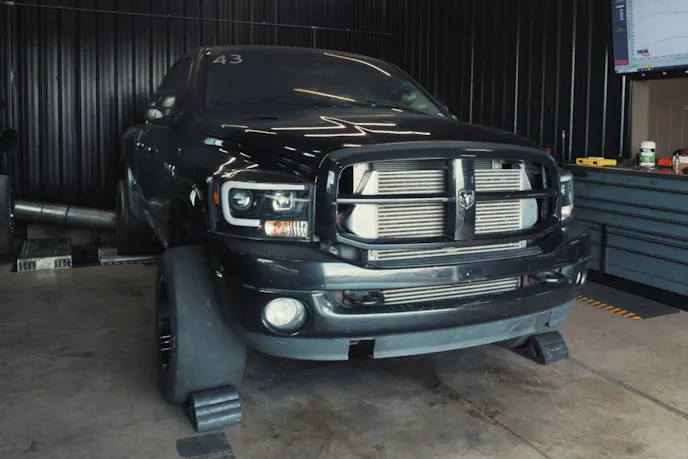
Lining up first was JJ’s ’07 custom truck with a D&J Predator engine. The build featured 250-percent injectors and an upgraded wastegate controller. Realizing the factory sensor maxed out at 37 psi, Lavon Miller decided that they needed to install a 10-bar MAP sensor to read high boost levels. The truck reached a peak of 1,092 horsepower on the dyno graph. Sadly, an erratic high-pressure fuel leak and severe heat soaking forced the team to cut the session short.
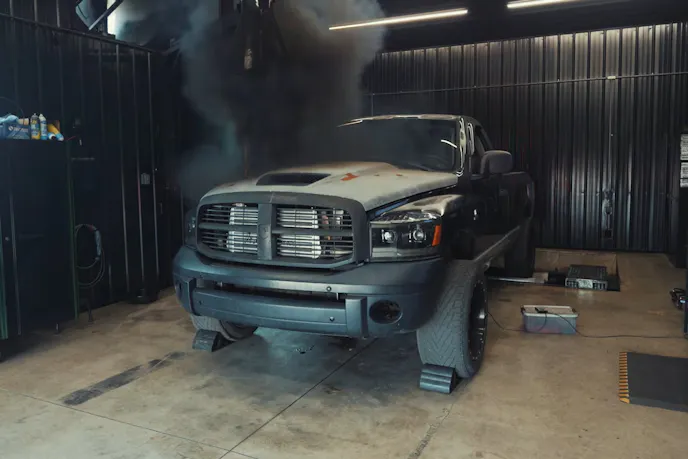
Tracking Common Rail Horsepower Success
Next, a guy named Garrett brought his common-rail-swapped ’97 Ford F-350 to complete his own 72 Fast routine. He dropped a 6.7-liter engine into the truck earlier this year. The build utilized 400-percent-over injectors paired with a high-speed 14mm fuel pump. Tyler of Firepunk managed the computer tuning, adding degrees of timing after a baseline run. Maxing out the pump, the Ford registered an impressive 1,009 horsepower.
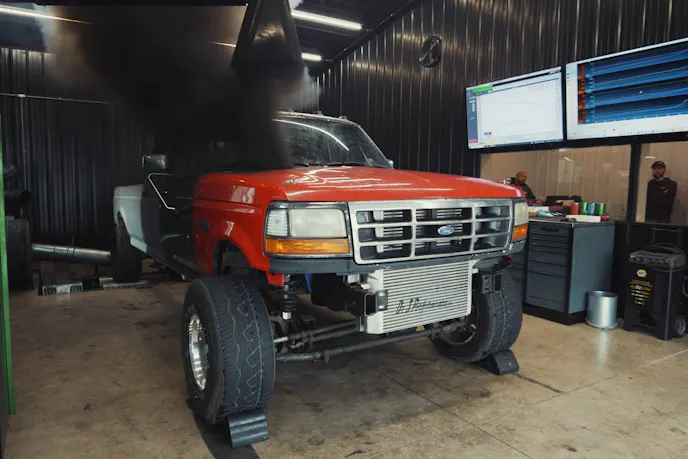
Troubleshooting Lazy Turbos And Rail Drop
Doyle followed next with his common-rail-swapped ’95 truck featuring Apex billet rods. The team replaced a blown turbo gasket before experiencing erratic rail pressure drop under heavy load. Meanwhile, Justin Earwood rolled his sleeved-down ’08 truck onto the platform. His massive 88mm turbocharger proved lazy to spool. The truck generated 869 horsepower on fuel, but adding nitrous pushed the final number to 1,158 horsepower.
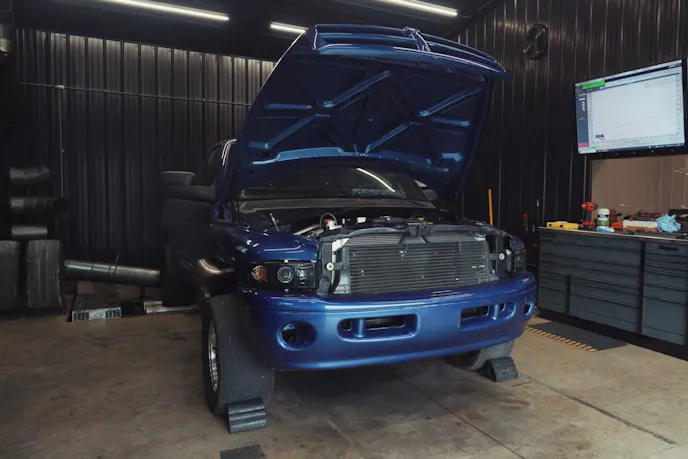
Adapting To Mechanical Challenges
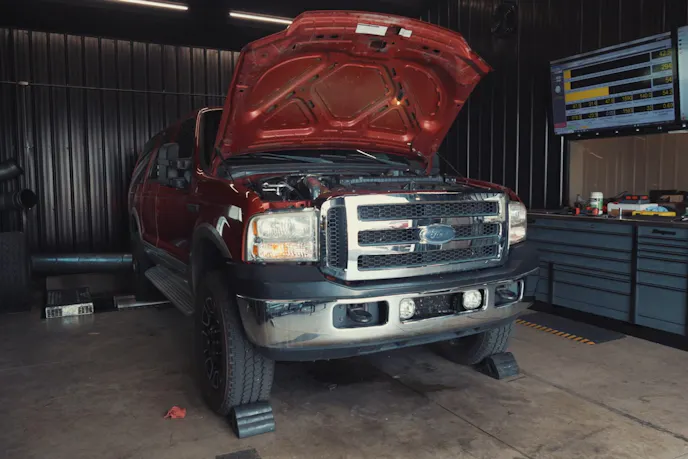
Finishing the day, Chris McGee tested his common-rail-swapped Ford Excursion after retiring a smoky 12-valve engine. The compound setup laid down 807 horsepower despite blowing an intercooler boot. Managing these unexpected failures really shows how Firepunk handles trackside adjustments to meet the individual goals of its racing clients. Tuning fuel maps and fixing hardware during the 72 Fast phase guarantees these builds survive extreme track conditions.
You might also like
Brad Lovell’s Ford F-450 Super Duty Chase Truck Is Built To Never Quit
Brad Lovell’s F-450 chase truck relies on AMSOIL protection while towing, hauling, and supporting his off-road race team.