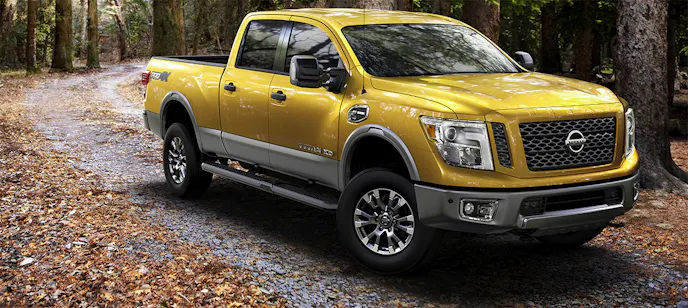
How do you get a new diesel engine fit for a half ton pickup to do the identical work as a gas V-8? Cummins Inc. set off to find out and initiated the Advanced Technology Light Automotive Systems (ATLAS) program. The ATLAS program was brought about to prove whether a half ton diesel pickup could meet the emissions regulations the future Tier 2 Bin 2, Corporate Average Fuel Economy, and greenhouse gas requirements that are set to come into play in 2025.
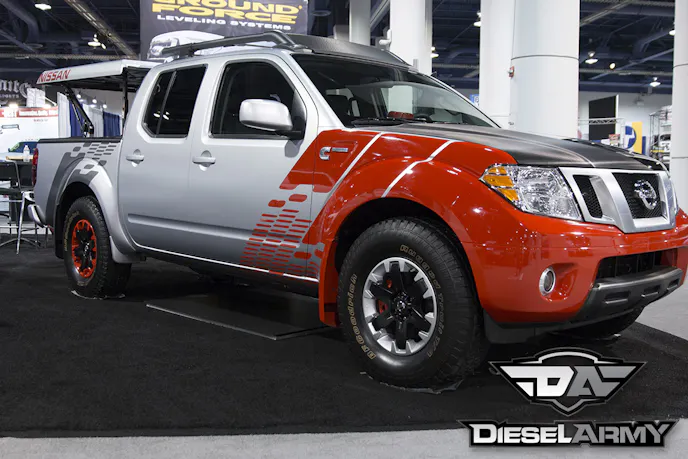
When we launched ATLAS, the team understood that they had to think outside the box to achieve our targets– said Michael Ruth, Cummins Inc.A 2010 Nissan Titan that was originally equipped with a gas powered V8, was the test mule. Cummins then placed one of their four-cylinder ISF2.8 engine into the engine bay to begin their research. The engine needed to have the same torque output of 385 lb-ft along with meeting fuel economy and emissions requirements. “When we launched ATLAS, the team understood that they had to think outside the box to achieve our targets,” said Michael Ruth, director/technical project leader, Advanced Light-Duty. “Specifically, we knew that weight reduction, advanced emissions control technologies, advanced thermal management and powertrain integration would be critical to meeting all of the requirements. The challenge was making those significant advancements while ensuring that the engine we produced would be commercially viable.”
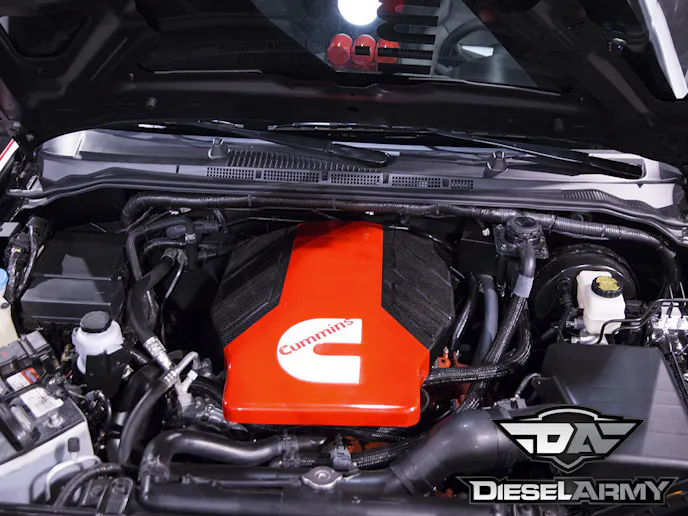
After four years Cummins says they have surpassed all the fuel-economy targets and lower emissions than what the Tier 2 Bin 2 requires all performed with the 362 lb, 2.8 liter engine. The engine weighs about 80 pounds lighter than the original gasoline V-8 and that is including the on-engine after-treatment system on the ATLAS engine. A structural cradle sandwiches the aluminum block and head which helps to allow high cylinder pressure capabilities. High and low pressure circuits along with switchable valve timing have helped the “dual loop” EGR system improve its light load emissions output and has increased the power of the engine.
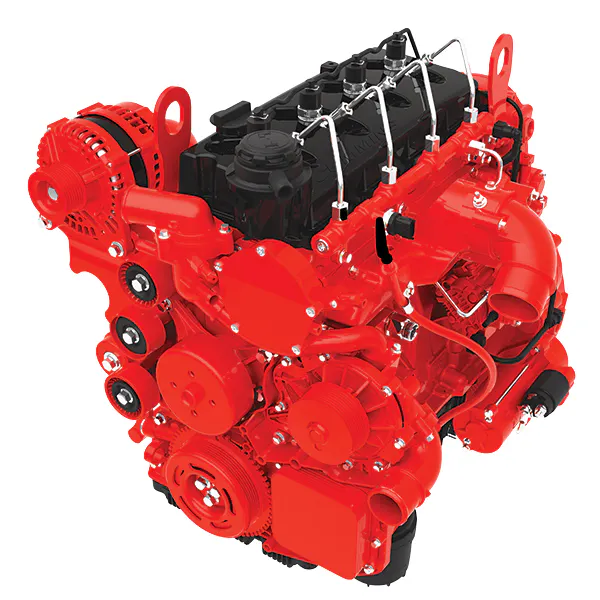
To achieve the 53% increase in CAFE fuel economy compared to the gasoline V-8 economy the engine used an 8 speed ZF 8HP70 which kept the engine running at optimum speed. A HPCR piezo-style fuel system that contains a Bosch high-pressure pump and VGTTM Turbocharger along with an on-engine catalyst specially developed with a SCR wash-coat technology that applies directly to the filter all helped to achieve the results.
To show that project ATLAS was a success in meeting the US emissions standards, the same tests were performed on the engine that Cummins performs on all their products.
The project ATLAS will come to an end at a final presentation at the DOE’s 2015 Annual Merit Review which will take place June 8-12 in Arlington, VA.
You might also like
Tips For Stopping The Deadly CP4 Pump Failure On Your 6.7-liter Power Stroke Diesel Truck
Proper maintenance helps prevent diesel engine failure. And consistent fuel additive use helps keep the CP4 pump running smoothly.