The air at South Georgia Motorsports Park was thick with tension as the diesel community rolled in for No Mercy 16. It was a week defined by chaos, from unpredictable weather delays to oildowns, testing the patience of every team in the pits. Several team entered the No Time Truck class ready to prove that oil-burners belong on the same strip as their high-octane counterparts. Hot Shot’s Secret interviewed some of the participants who shared some of their experience during the said event. Some even dealt with a broken high-pressure fuel line snapping their momentum right out of the gate.
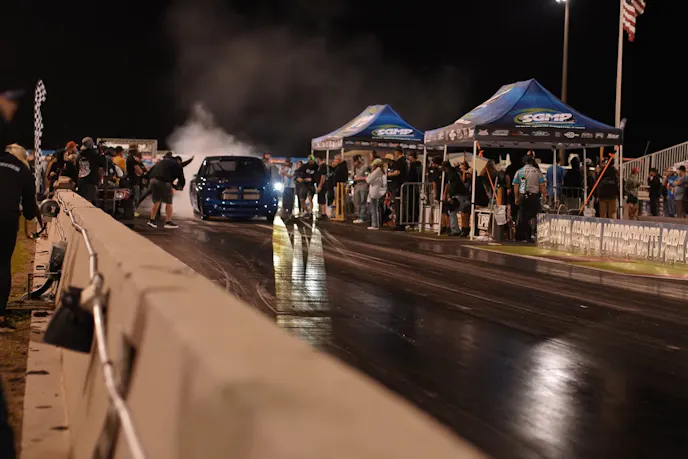
Battling Breakdowns And Tough Draws
After a fuel line failure, one team scrambled to get the truck back together. They managed to salvage a solid test run that pinned the driver back in the seat, confirming the power was there even if the luck wasn’t. Moving into the first round of eliminations presented its own challenge as they drew a tough matchup immediately. While the diesel contingent is a small fraction of the field, competitors have put up numbers that demand respect from the rest of the pack. The goal remains to show the general public that these trucks are serious contenders.
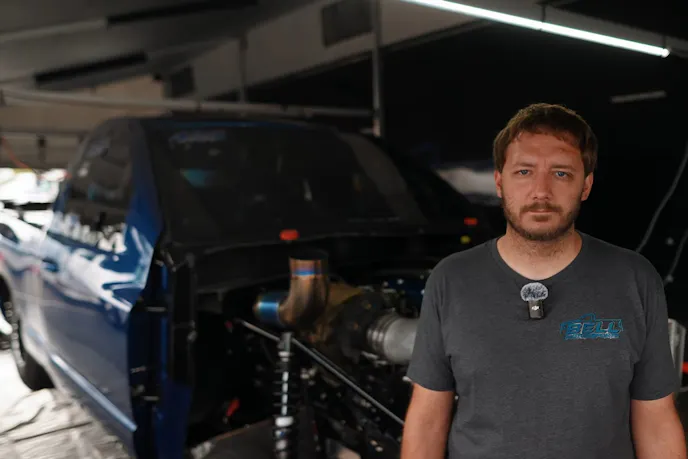
Diesel Performance At No Mercy 16
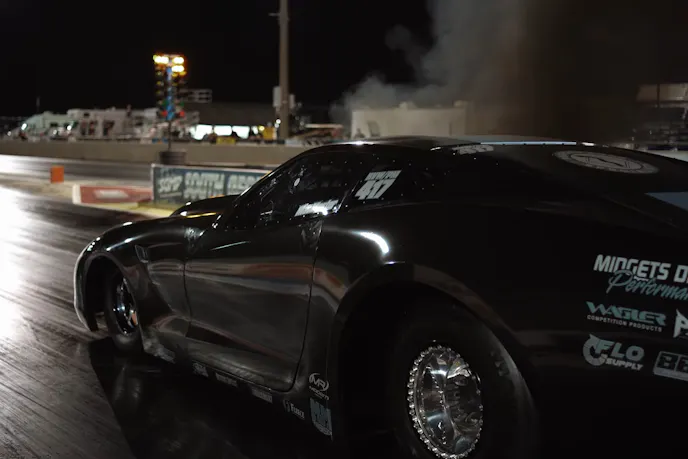
The intensity ramped up significantly in the Radial vs. the World (RVW) class. Some even swapped out the rear end of their car to save weight, only to find the new setup ruined their traction. They had to bolt weight back onto the axle just to get down the track. The drama peaked during a midnight thrash involving an in-frame rebuild at 2 a.m. A disconnected wastegate led to massive overboost, causing a turbo failure and a spectacular fireball during a qualifying run at No Mercy 16.
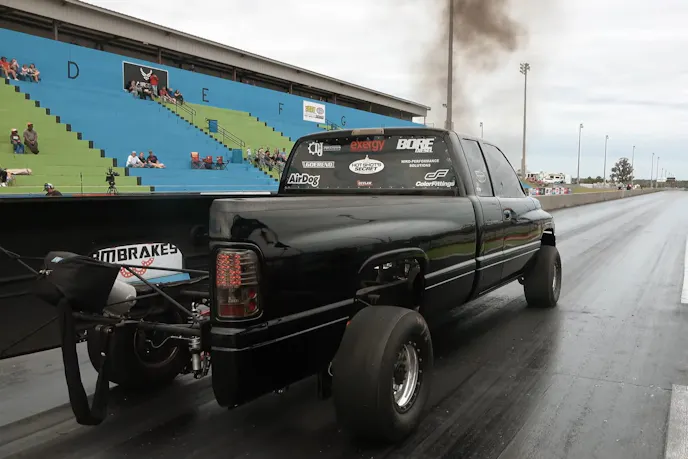
The Science Of The Launch
Success in this league comes down to the first 60 feet. All teams analyzed their data, noting that a fraction of a second difference at the launch translates to massive gains at the finish line. The goal for all builds at No Mercy 16 goes beyond just winning trophies. Pushing a diesel engine to run 3-second passes at nearly 200 mph serves as the ultimate research lab. The lessons learned from blowing up turbos eventually improve the parts sold for daily driving work trucks.
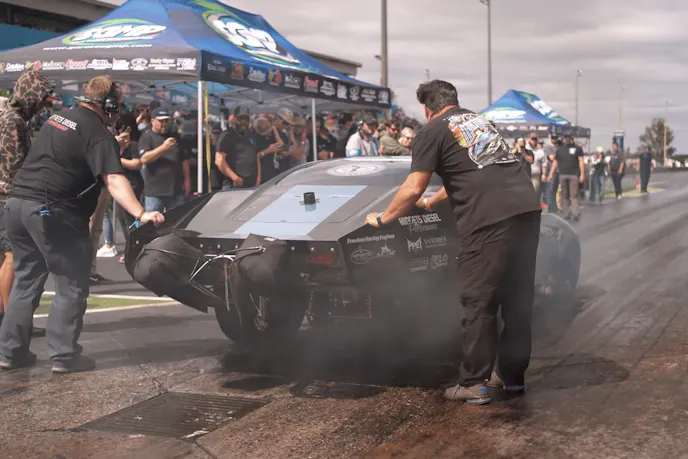
Pushing The Limits Of Diesel
Seeing a diesel platform compete neck and neck with Pro Mods running mid-3s is surreal. The gap is closing, even if the diesel rig is still a couple hundred pounds over the minimum weight. By keeping the car on radial tires, the team set themselves up with a solid baseline for the next event. It takes a special kind of dedication to rebuild an engine inside a trailer in the middle of the night, but that is exactly what is required to keep a diesel competitive at this level of racing.
You might also like
This 1990 Chevy 3500 Gets LB7 Duramax Power And Allison 1000
This 1990 Chevy 3500 pickup had a gasoline-powered big-block, but now it's fitted with a potent LB7 Duramax turbodiesel.