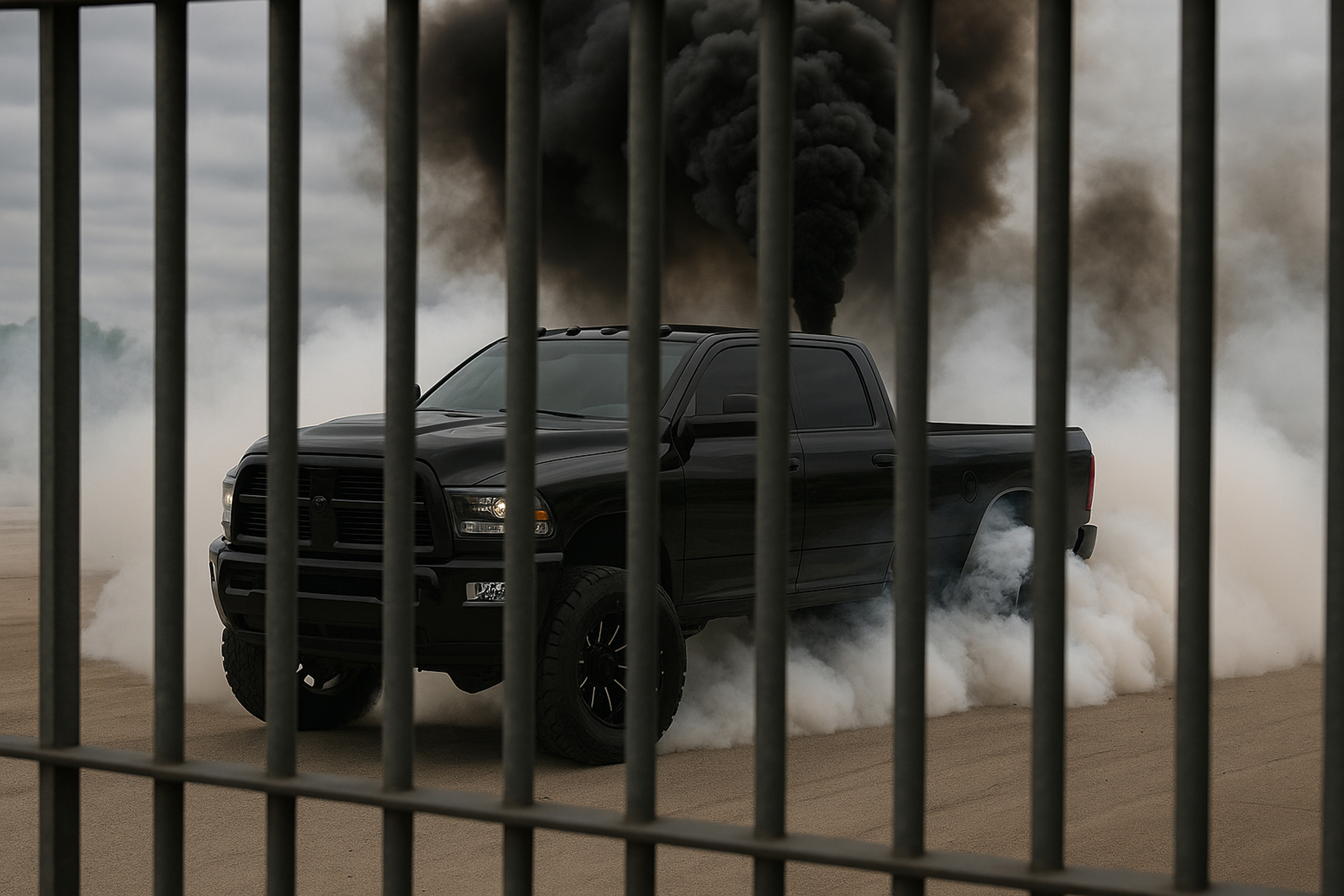
For years, the words “EPA enforcement” have been enough to make diesel performance shops nervous. Beginning in the late 2010s, federal regulators ramped up their crackdown on emissions-delete hardware, aftermarket tuning, and defeat devices, resulting in multimillion-dollar fines, business closures, criminal prosecutions, and even prison sentences. Now, in one of the most significant developments the diesel aftermarket has seen in more than a decade, President Donald Trump has pardoned nine individuals convicted in federal diesel emissions cases.
While the move has sparked celebration across much of the performance automotive community, it has also generated confusion about what the pardons mean. Do they make delete tuning legal? Is the EPA backing down? And what happens next?

A Holiday Weekend Surprise
Just ahead of the Independence Day weekend, President Trump announced a series of presidential pardons that included nine individuals convicted of federal Clean Air Act violations stemming from aftermarket diesel emissions modifications. Initially, Trump stated on Truth Social that he was pardoning six people prosecuted for simply “fixing their car.” Later that day, the White House released the official list of 11 pardons, nine of which involved diesel emissions-related prosecutions.
The individuals receiving pardons were Ryan Lalone, Wade Lalone (Diesel Freak), Matt Geouge (Spartan Diesel Technologies), Tim Clancy (Clancy Logistics), Mac Spurlock (Matanuska Diesel), Joshua Davis (River City Diesel), Barry Pierce (GDP Tuning), Aaron Rudolf (Rudy’s Performance Parts), and Jonathan Achtemeier. The remaining two pardons were unrelated to the diesel industry.
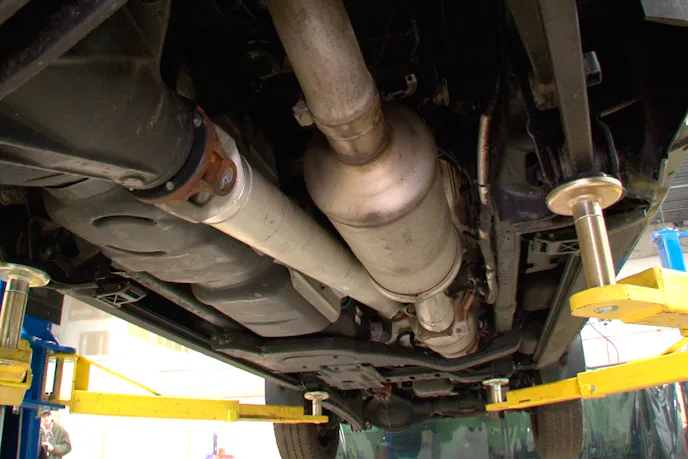
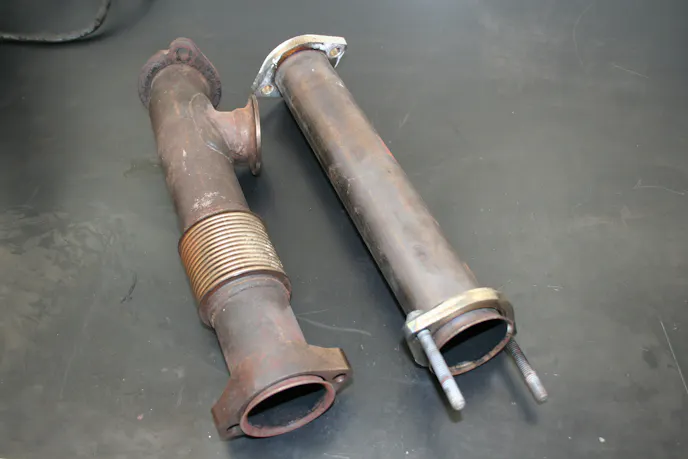
Most of the recipients had been convicted in federal court for activities involving emissions-delete tuning, diesel particulate filter (DPF) removal, SCR and DEF system tampering, or selling defeat devices that disabled federally required emissions equipment.
The Diesel Industry’s Long Road Here
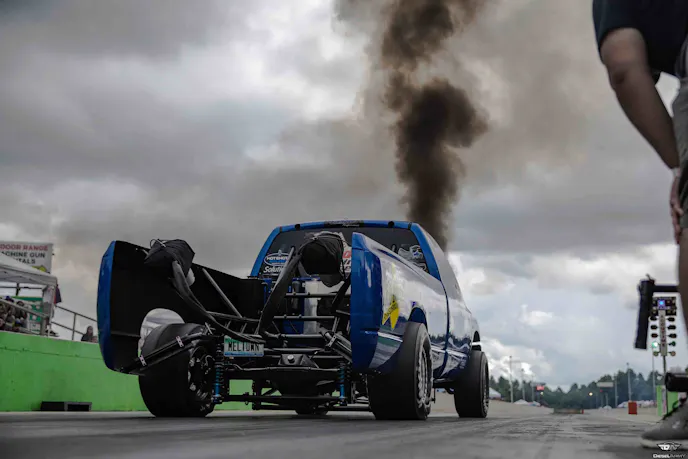
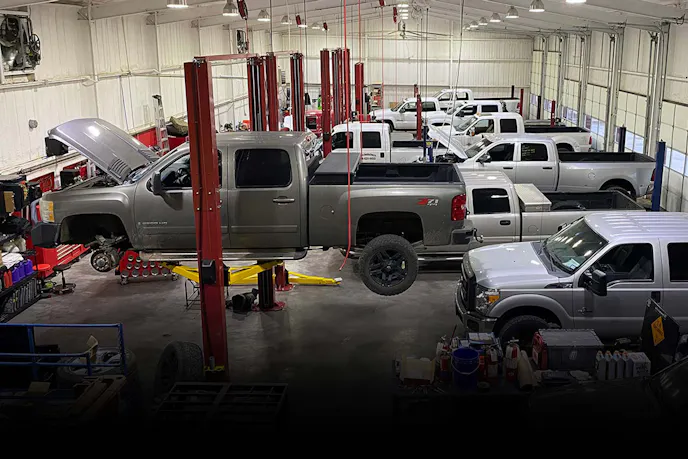
For much of the early 2000s, emissions-delete tuning was commonplace within the diesel performance world. As diesel pickups became increasingly computerized—and emissions systems more complex—aftermarket tuning flourished. Shops across the country built thriving businesses around unlocking horsepower while removing restrictive emissions equipment.
Beginning around 2018, the Environmental Protection Agency and Department of Justice dramatically increased enforcement against companies manufacturing, selling, or installing emissions-delete products. The crackdown affected businesses large and small. Some companies paid multimillion-dollar settlements. Others permanently exited the diesel tuning business. Several owners faced criminal charges, resulting in guilty pleas, probation, or prison sentences.
A Dramatic Shift In Washington
Over the past year, the administration has steadily signaled a different philosophy toward automotive repair and aftermarket modification. Earlier this year, Trump issued a pardon to Wyoming diesel mechanic Troy Lake (Elite Diesel), another figure whose prosecution became a rallying point within the diesel community. At the same time, the administration directed the Department of Justice to reduce criminal prosecutions involving certain aftermarket emissions violations while encouraging the EPA to revisit portions of its emissions repair guidance.
The administration has also emphasized Right-to-Repair initiatives and expressed support for expanding pathways that allow emissions-compliant aftermarket parts to reach consumers through programs supported by organizations such as SEMA.
What The Pardons Actually Mean
Social media wasted little time declaring that “deletes are legal again.” That simply isn’t true.
A presidential pardon forgives federal criminal convictions. It can restore certain civil rights and eliminate remaining criminal penalties for the individuals receiving clemency. What it does not do is rewrite federal law.
The Clean Air Act remains in effect. Federal anti-tampering provisions remain law. Selling defeat devices, disabling emissions equipment, or installing emissions-delete hardware on vehicles used on public roads remains prohibited under existing federal statutes.
Likewise, state emissions laws—particularly in states with aggressive emissions enforcement such as California—remain fully enforceable regardless of federal pardons.
Why This Matters Beyond Nine Individuals
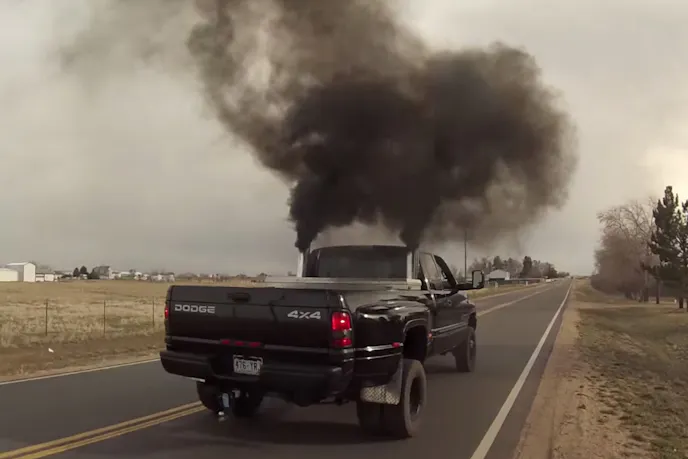
For years, criminal prosecutions created a chilling effect throughout the diesel aftermarket. Many shops stopped offering tuning altogether. Others shifted exclusively toward race-only products or focused on emissions-compliant upgrades. Some simply closed their doors.
These pardons send a strong signal that federal priorities have shifted, at least for the duration of the current administration. Whether that ultimately translates into fewer prosecutions, additional regulatory reforms, or legislative changes remains to be seen.
For manufacturers, tuners, retailers, and consumers, the uncertainty may finally be giving way to cautious optimism.
The Road Ahead
Industry observers will be watching closely to see whether the EPA further revises its enforcement policies, whether Congress considers changes to the Clean Air Act’s anti-tampering provisions, and whether additional clemency actions follow for others convicted during the federal crackdown.
Organizations like SEMA are also expected to continue expanding programs designed to help manufacturers bring emissions-compliant performance products to market through standardized certification processes. If successful, those efforts could create new opportunities for innovation without running afoul of federal regulations.
A Watershed Moment
For the diesel performance industry, this marks one of the biggest federal policy developments since the EPA’s enforcement campaign fundamentally reshaped the aftermarket more than a decade ago. While emissions-delete tuning isn’t suddenly legal, the pardons signal that the conversation surrounding diesel performance, vehicle modification, and the federal government’s role in regulating both has entered a new chapter.
You might also like
A School Bus-Sourced 12-Vavle Cummins Powers This Awesome 1959 Chevy Apache
This awesome 1959 Chevy Apache is a combination of a $500 Marketplace find, a Ford F-250, and a Cummins turbodiesel from a school bus.