When building high-performance or heavy-duty Allison transmissions and rebuild kits, the goal is simple: ensure the unit never comes back broken. Achieving that standard requires a detailed understanding of how the Allison 1000 fails in real-world use and what engineering changes can prevent those failures.
Over years of development and testing, the drivetrain specialists at NextGen Drivetrain have carefully analyzed the Allison 1000 platform used behind the GM Duramax diesel. The result is a clear picture of its strengths, weaknesses, and the upgrades that allow the transmission to survive demanding towing, performance tuning, and long-term daily use.
We sat down with the experts at NexGen Drivetrain to explore the technical design of the Allison 1000 five- and six-speed automatic transmission, the most common failure points observed in service, and the engineering improvements that address them.

A Brief History Of The Allison Behind The Duramax
When General Motors introduced the 6.6-liter Isuzu-built Duramax diesel in 2001, it represented a major leap forward in power and torque for GM’s heavy-duty pickups. Earlier diesel trucks had relied on slightly reinforced versions of GM’s existing four-speed automatics, which proved insufficient when paired with the output of modern diesel engines.
GM needed a transmission capable of handling significantly more torque. Fortunately, the company already had a relationship with Allison Transmission, a manufacturer well known for medium- and heavy-duty automatic gearboxes used in commercial and industrial applications. GM owned a substantial stake in Allison, allowing the company to incorporate the Allison 1000 into its new Duramax-powered trucks at a competitive cost.
The Allison 1000 debuted in 2001 as a five-speed automatic transmission. Interestingly, the gearbox already contained the hardware necessary for a sixth gear, but that ratio was initially locked out in software. When the LBZ-generation DuraMax arrived in mid-2006, GM activated sixth gear, effectively converting the platform into a six-speed transmission.
Another revision arrived in 2011 with the introduction of the LML DuraMax. Most of the changes were hydraulic and electronic, though the input shaft also received a design change that added a flat sealing surface used to feed oil to the torque converter clutch (TCC).
From 2001 through the 2019 model year, the Allison 1000 remained the standard automatic transmission in GM heavy-duty diesel pickups. It was eventually replaced by the 10L1000 ten-speed automatic beginning in the 2020 model year.

How The Allison 1000 Clutch Packs Work
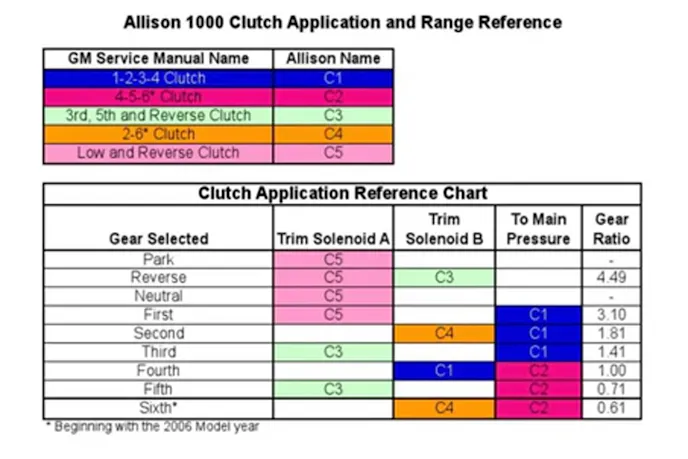
The Allison LCT 1000/2000 transmission uses multiple clutch packs to create its gear ratios. Like most six-speed automatic transmissions, it is designed as a “double overdrive” transmission.
A double-overdrive transmission contains two overdrive gears and two underdrive gears, along with a direct drive gear where the input and output shafts rotate at the same speed. Direct drive—typically fourth gear—represents a 1:1 ratio.
In an overdrive gear, the output shaft spins faster than the input shaft. This reduces engine RPM at highway speeds, improving fuel economy and allowing the vehicle to achieve higher top speeds. Conversely, in an underdrive gear the input shaft spins faster than the output shaft, multiplying torque to the wheels and improving acceleration or pulling power.
Shift operation within the Allison is controlled electronically through a combination of sensors, solenoids, and algorithms within the transmission control module (TCM). These algorithms evaluate engine load, throttle position, vehicle acceleration, and other data inputs to determine the optimal shift timing for both performance and efficiency.
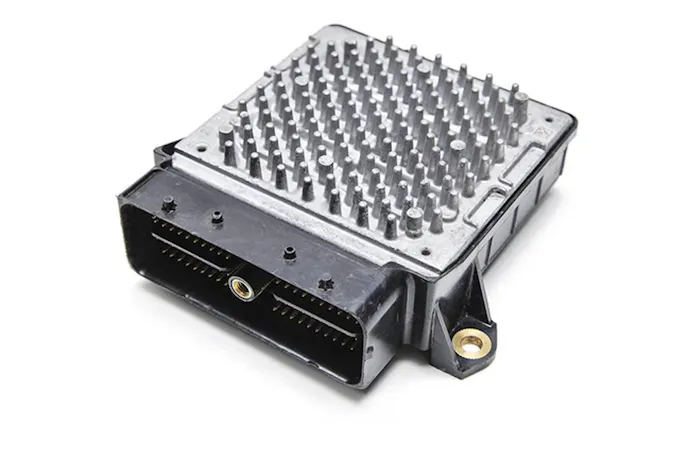
Allison Adaptivity Protocol
One of the defining characteristics of the Allison 1000 is its adaptive shift strategy, known as Adaptivity Protocol. Like many modern electronically controlled transmissions, the Allison continuously adjusts its shift behavior based on driving style.
For example, drivers with a heavy throttle input will typically see later upshifts compared with drivers who accelerate more gently. The transmission control module interprets this behavior as a preference for keeping the engine within its torque band rather than prioritizing fuel economy.
The system also monitors shift quality. If the transmission detects aggressive shifts, it may delay the activation of the oncoming clutch to soften the transition. This helps prevent clutch tie-over, a condition in which two clutch packs attempt to apply simultaneously while controlling different gear ratios.
The opposite condition is known as a flare shift. In this scenario, neither clutch pack is fully applied, creating a momentary neutral condition that feels like the transmission slipping out of gear. To correct this, the system will activate the oncoming clutch sooner to tighten the shift.
The result is a transmission that typically delivers smooth, balanced shift quality. However, this adaptivity can also mask underlying mechanical issues. Many Allison owners report that their transmission shifts normally until just before failure, making problems difficult to detect early.
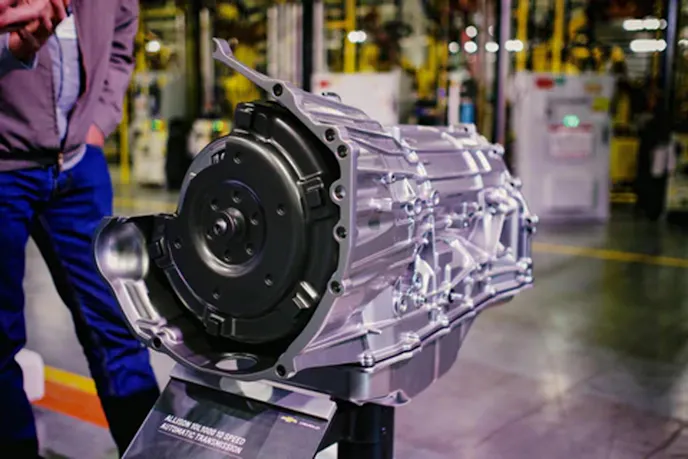
Weakness In The Factory Torque Converter
Despite the Allison’s reputation for durability, one of its most significant weak points is the factory torque converter.
The stator—the component responsible for controlling stall speed—is relatively thin in the stock unit. Under conditions that generate high internal converter pressure, such as towing heavy loads, climbing grades, or operating in high-performance applications, the stator can crack.
Another issue involves the torque converter cover, which faces the flexplate. The factory cover is made from relatively soft metal that tends to flex under load. When disassembled, many stock converters show burn spots at the six bolt pad locations where the converter attaches to the flexplate. These areas cannot flex like the rest of the cover, concentrating heat and stress.
The stock converter also uses only a single clutch plate. Upgraded converters typically incorporate billet stators, billet covers, billet lockup pistons, and improved multi-disc clutch designs. These changes significantly increase torque capacity and durability under demanding conditions.
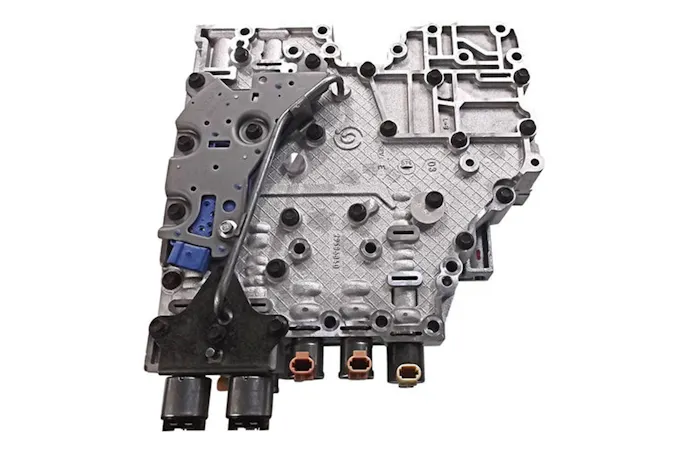
Valve Body Issues And Hydraulic Wear
The Allison valve body is known for two common issues: valve seizure and valve bore wear.
Allison shift valves are unusually long and contain multiple lands. While this design helps control hydraulic flow, it also increases the number of potential contact points between the valve and its bore. Over time, this can lead to valves sticking or seizing within the bore.
One diagnostic method involves placing the valve body in a freezer overnight and then checking whether the valves still move freely. If they stick when cold, the valve body likely has wear issues.
Valve bore wear is another common problem. The Allison valve body is constructed from aluminum and magnesium, which can gradually wear as the valves move back and forth. The process is similar to the wear pattern created by a piston moving repeatedly through a cylinder.
Once bore wear occurs, the valve body may experience hydraulic leakage, leading to symptoms such as sloppy shifts or premature downshifts under load. Correcting this problem usually requires machining and installing upgraded valves designed to prevent leakage.
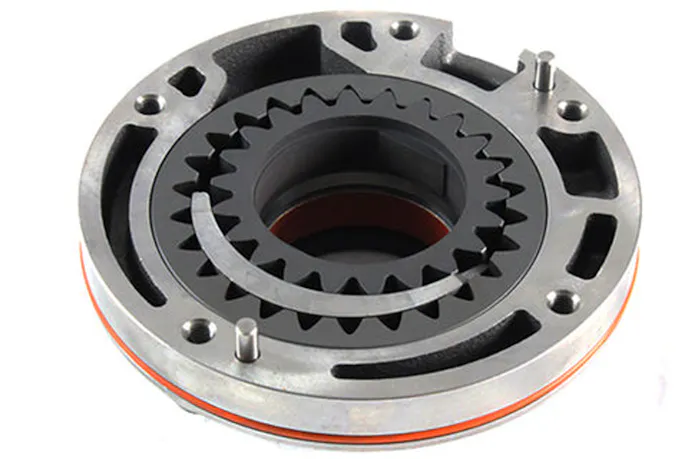
Oil Pump Efficiency Loss
The Allison 1000 oil pump is generally reliable, but it tends to lose efficiency relatively early in its lifespan.
The pump uses a gear design similar to many engine oil pumps, with one gear nested inside another. Over time, the outer gear can become compressed toward one side of the housing due to pressure imbalances, leading to uneven wear.
This condition reduces the pump’s ability to maintain consistent hydraulic pressure. The effect is similar to damaged compressor fins in a turbocharger, where fluid compression becomes less efficient.
Upgraded pumps often use hardened steel gears that resist deformation and maintain proper gear alignment over time. Additional modifications such as shims or heavier springs can improve fluid flow and slightly firm up shift feel without interfering with the transmission’s adaptive control system.
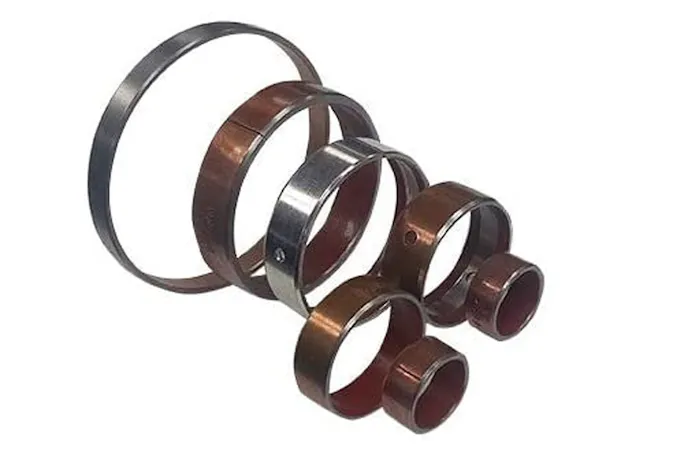
Bushing Material Limitations
Another durability concern involves the bushings used throughout the Allison 1000.
From the factory, these bushings are made from babbitt material. While this material performs adequately during the warranty period, it tends to wear relatively quickly over long service intervals.
Many performance rebuilds replace the babbitt bushings with bronze alternatives. Bronze is widely used in aerospace and industrial applications due to its durability and resistance to wear, making it a logical upgrade for a transmission expected to handle heavy loads and extended service life.
Electronic Components And Solenoids
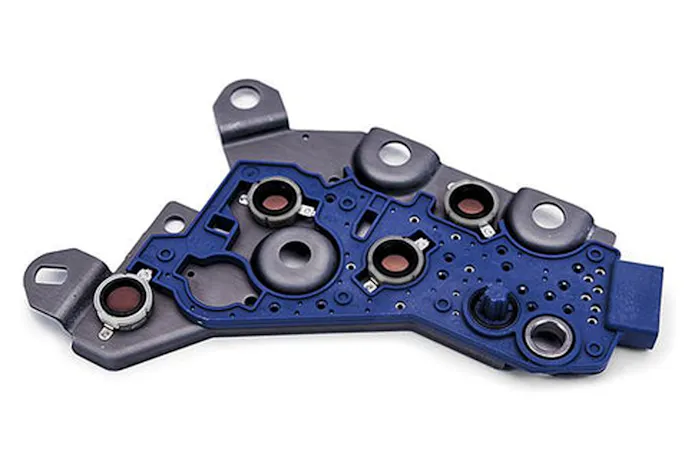
The Allison 1000 relies heavily on electronic controls. Multiple solenoids regulate hydraulic circuits that control clutch engagement and gear changes.
Although the electronic components themselves are generally reliable, rebuild quality can vary significantly depending on the parts used. Some rebuilders reuse old solenoids or install low-cost aftermarket replacements, which can introduce reliability issues.
Testing over time has shown that OEM Allison solenoids tend to provide the best reliability. Many high-quality rebuild kits therefore include a complete set of original-equipment solenoids along with components such as the NSBU switch and pressure manifold switch.
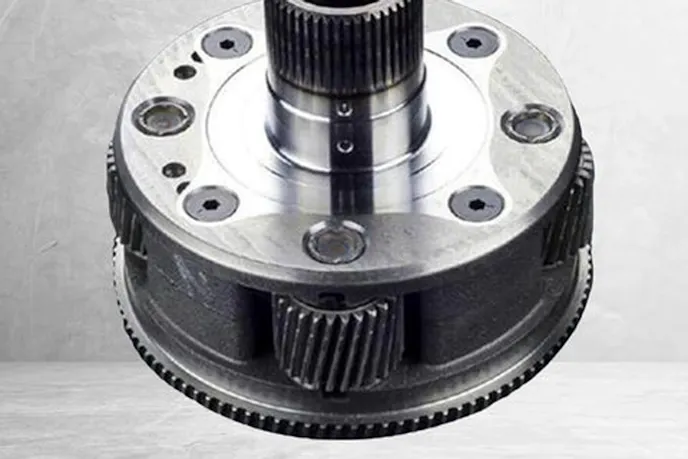
Structural Weak Points: C2 Hub and P2 Planetary
Several internal components are prone to mechanical stress during the 3–4 upshift, one of the most demanding shifts in the Allison 1000.
The C2 hub, which holds the overdrive clutch pack, must synchronize with the input shaft during this shift. Under high torque conditions, the hub can fail. Billet replacements with oversized shafts significantly increase strength and eliminate this weak point for high-power or heavy towing applications.
The P2 planetary carrier experiences similar stress during the same shift event. The snout portion of the planetary assembly can snap under extreme loads, particularly in high-horsepower builds.
Billet steel planetary carriers made from materials such as 4140 steel are commonly used upgrades. These components have been proven in applications exceeding 1,000 horsepower.
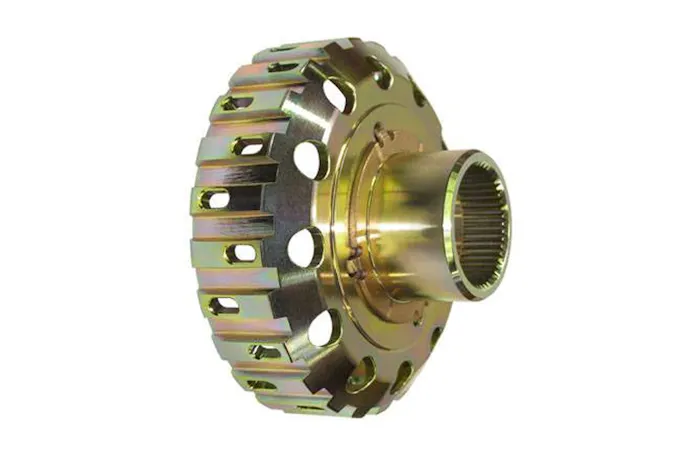
Clutch Capacity And The C2 Pack
The C2 clutch pack functions as the Allison’s overdrive clutch pack, making it one of the most heavily stressed clutch assemblies in the transmission.
In factory form, the C2 pack contains relatively thin friction material and limited clutch volume. This design can struggle to handle increased torque from performance tuning or heavy towing.
Upgrading the clutch material and increasing the number of clutch plates in the pack significantly improves torque capacity and durability.
Oil Supply Issues To The C3 Clutch
Another design limitation involves oil flow to the C3 clutch pack. In some Allison transmissions, the C3 pack receives insufficient lubrication and cooling.
One solution involves installing a modified PTO cover with an internal fin designed to direct additional oil toward the C3 clutches. Improving lubrication helps reduce heat buildup and extend clutch life.
Input Shaft Strength
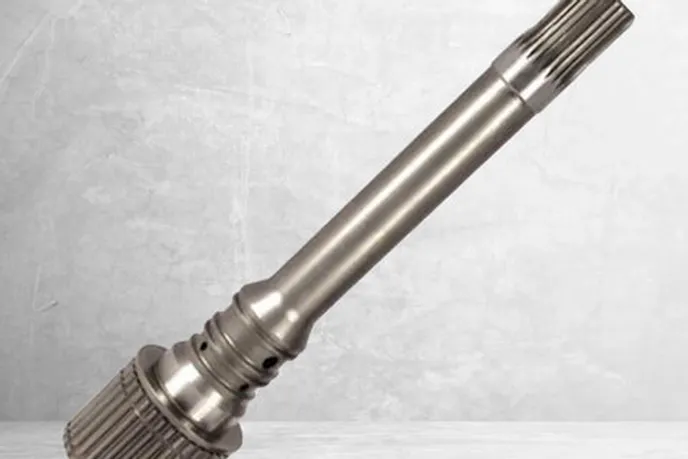
The Allison 1000 input shaft is large and robust, but later model years introduced a design change that slightly reduced its strength.
Beginning in 2011, the shaft incorporated an internal oil circuit used to supply the torque converter clutch. While effective for oiling purposes, this design reduces the amount of steel in the shaft.
As a result, input shaft failures become more common once power levels approach roughly 550 horsepower in LML and later trucks. Earlier versions can typically handle closer to 600 horsepower before becoming vulnerable.
For high-power builds or heavy towing applications, billet steel input shafts provide a significant durability improvement.
The Allison 1000’s Reputation—And Its Reality
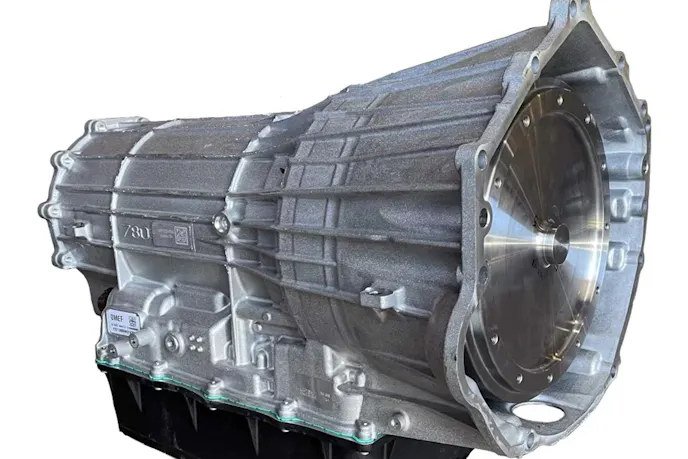
The Allison 1000 remains one of the most recognizable automatic transmissions in the diesel pickup world. Its smooth operation, adaptive shift logic, and heavy-duty heritage have earned it a reputation for durability.
However, like any mechanical system, it has limitations. Weak torque converters, valve body wear, clutch capacity constraints, and several structural components can become failure points when the transmission is pushed beyond its original design parameters.
By addressing these weaknesses through targeted upgrades and careful rebuilding practices, the Allison 1000 can deliver exceptional reliability and performance in both towing and high-power diesel applications.
You might also like
Tips For Stopping The Deadly CP4 Pump Failure On Your 6.7-liter Power Stroke Diesel Truck
Proper maintenance helps prevent diesel engine failure. And consistent fuel additive use helps keep the CP4 pump running smoothly.