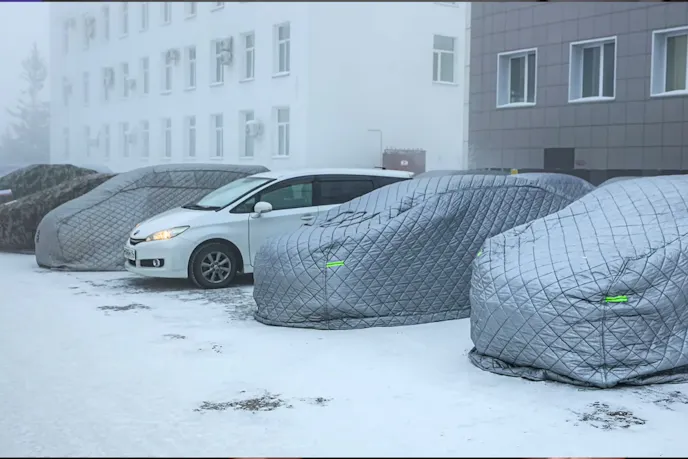
There is something undeniably satisfying about watching a frozen machine fight to come alive on a winter morning. Jamin Seat from Freedom Worx decided to look past the smoke and noise to explain the actual science behind a cold start. He broke down exactly why diesel engines put on such a dramatic show while gasoline engines simply turn on and go without any complaint.
The Physics Of Combustion
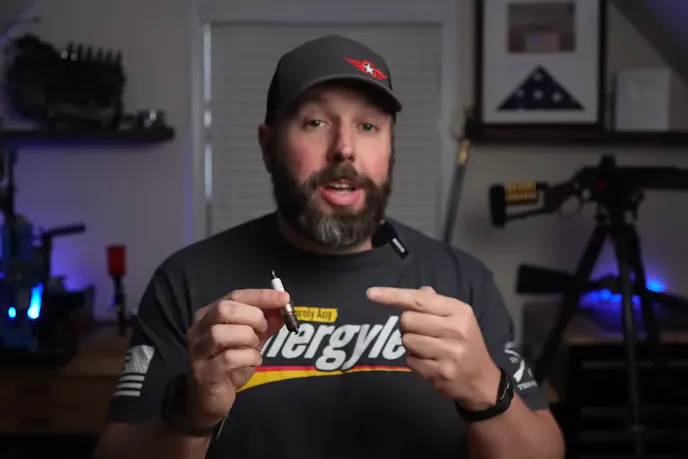
Jamin started by clarifying the fundamental difference in how these engines create fire. Gasoline engines have it easy because they rely on spark plugs that work regardless of the temperature. Jamin noted, “It doesn’t matter if it’s minus 40 or 120 degrees outside, a spark plug is going to spark and make fire.” Diesels are entirely different because they rely solely on compression to heat the air. When the metal block is freezing, it sucks the heat away from the air before combustion can happen. Jamin explained the visual result of this failure: “Instead of fire, black smoke and bald eagles, you get steam, white smoke and unicorn farts.”
Evolution Of Cold-Start Technology
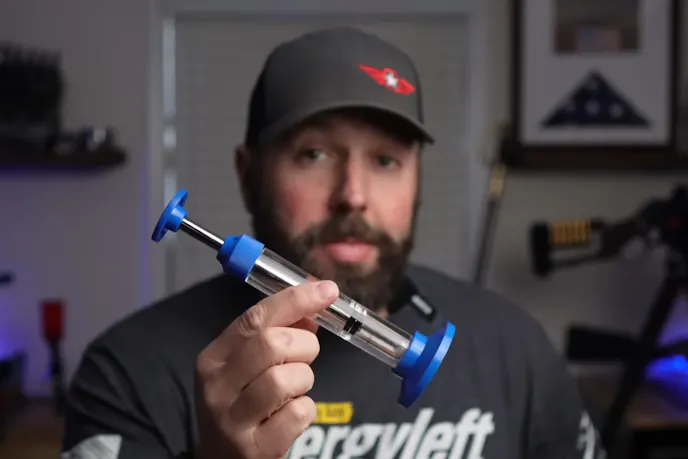
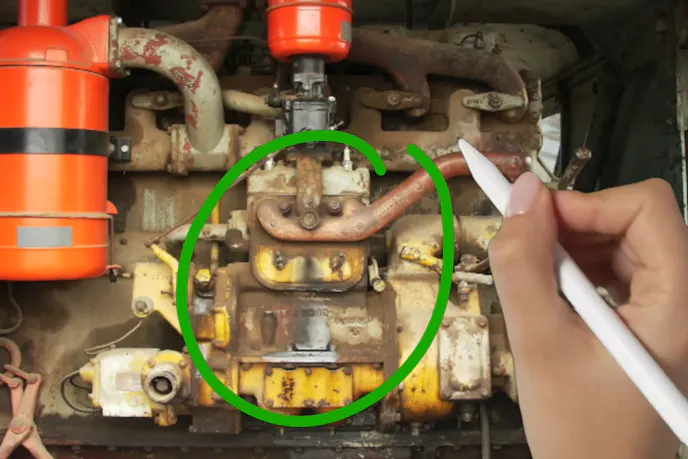
Getting these engines running before modern technology existed required serious physical exertion. In the early days, operators had to hand-crank engines to build heat manually. Jamin joked, “Cold-starting a hand-cranked engine was like redneck CrossFit.” Engineers eventually developed the pony motor, which was a small gasoline engine attached to the diesel just to spin it up. Jamin described this invention: “A pony motor is a small gasoline motor used to start your diesel motor, a motor for your motor.” Later innovations included intake flamethrowers and eventually starting fluid, which allowed engines to brute-force their way to life using sheer volume of fuel.
The Digital Age
The era of the primitive mechanical engine eventually gave way to computer-controlled precision. Old mechanical trucks had fixed timing and simply dumped fuel into the cylinders until the engine caught. Jamin observed, “They simply brute-forced their way through cold starts.” Modern trucks now use computers to monitor temperatures and adjust timing instantly for a smooth idle. Jamin admitted, “These really took the fun out of cold-start videos.”

The Battle for Ignition
While technology has smoothed out the rough edges, the battle against freezing temperatures is still a reality for diesel owners in extreme climates. Gas engines may be convenient, but they lack the mechanical personality that makes a diesel cold start so compelling to watch. It serves as a reminder that sometimes you have to fight a little bit just to get moving.
You might also like
This 1990 Chevy 3500 Gets LB7 Duramax Power And Allison 1000
This 1990 Chevy 3500 pickup had a gasoline-powered big-block, but now it's fitted with a potent LB7 Duramax turbodiesel.